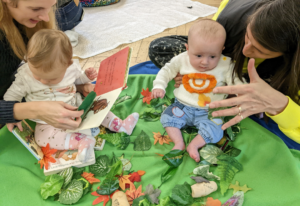
Why Your Baby Wants the Same Book Every Night
You know which animal comes next. Your partner knows which animal comes next. Even the dog probably knows which animal comes next.
Yet your little one reaches for that book again, with the confidence of someone who has made an excellent choice.
If you’ve ever wondered “why read the same book to a baby?”, look at what your child does with it. Last month, they watched your face. Today, they might reach for a flap, point at a picture or supply a very enthusiastic “moo”.
A favourite book can stay on the shelf for months while the child who chooses it keeps changing. That’s what makes those repeat readings worth a closer look.
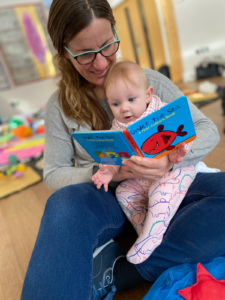
Why read the same book to a baby? Watch who takes a turn
Think about a story with an animal hiding behind a flap. On an early reading, your baby might simply watch you open it and listen to the sound you make.
With more experience, they may reach towards the flap themselves. Later, a toddler might make the animal noise before you do, or push your hand away because opening it is now firmly their department.
Each version gives you something different to share. Following their interest lets them take a bigger part in the moment, at a pace that suits them.
BookTrust explains how shared picture books support language: children benefit when adults respond to what they look at, point towards or say. Familiar pages give you plenty of chances to notice those small invitations.
The first reading doesn’t have to do all the work
Imagine meeting a roomful of people and hearing everyone’s name once. By the time someone asks who you spoke to, a few names have already escaped.
Young children also need chances to meet words more than once. A familiar book brings back the same pictures and phrases, so you can name the dog beside the same picture again tomorrow.
According to Speech and Language UK’s advice on sharing books, repeated books help children learn words through hearing them again and again. Your baby doesn’t need to say a word back for you to keep enjoying it together.
So when that battered board book wins the bedtime vote, you can retire the guilt about the untouched stack beside it.
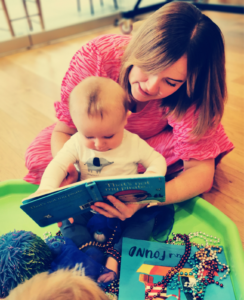
One book, several stages of development
Picture a simple story about a bear looking for a friend. For a very young baby, you might share a few lines while they listen to your voice and study your face.
As reaching develops, the book offers something to touch and hold. An older baby might linger over the bear’s picture or explore a sturdy flap.
During the toddler months, you could hear a growl, spot a pointing finger or find yourself following a determined little reader straight to the favourite page.
These are examples, rather than an age checklist. Children bring different interests and skills to books, even when they share a birthday. Our guide to encouraging a love of reading in babies explores how looking, moving and listening can all belong in story time.
“Haven’t we done this book at class before?”
You might recognise a story when it returns at Adventure Babies. Before you wonder whether your baby has already covered it, think back to their last encounter.
Perhaps you held them through the story while they watched a puppet. Months later, they might sit beside you, reach for a prop or crawl towards something they want to explore.
A toddler returning to that adventure might try an action, make a character’s sound or share a delighted look with you. The familiar story gives them another chance to join in with the skills they have now.
That’s why revisiting a book can offer something worthwhile. At our sensory storytelling classes, the same story can give babies at different stages different ways to take part. Your child’s response matters more than whether you recognise the title.
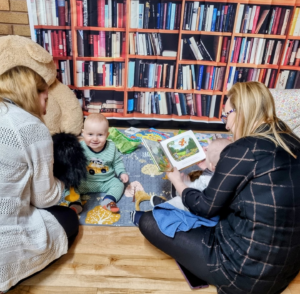
The book is giving their hands a job too
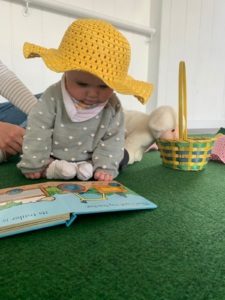
Look closely at what happens when your baby handles a favourite board book. They might grasp its edge, lift it towards you or attempt to turn several pages at once.
Later, opening a flap or separating a single page adds a finer challenge. A much-loved book gives them repeated opportunities to practise these movements alongside the story.
BookTrust’s guide to books and early development highlights the hand skills involved in turning pages and moving book parts. It also explains how children learn to adjust the force they use as they handle different pages.
Those mangled corners suddenly look rather well earned. Choose sturdy, age-appropriate books and stay nearby while your baby explores them.
Familiar can feel good at the end of a long day
By bedtime, your little one may have met new people, heard new sounds and worked hard at something as ordinary as eating lunch.
Returning to a known book can become part of a welcome routine. The National Literacy Trust’s advice on reading the same book explains that regular story time helps babies recognise a routine and feel secure.
That doesn’t mean a favourite story guarantees sleep. Some toddlers still finish the last page with the energy of someone preparing for a night out.
For parents, though, a familiar book offers one less decision. You can enjoy a few minutes together without planning a fresh activity.
Keep the favourite; follow the interest
If you’re wondering why read the same book to a baby when you could choose something new, remember that you can offer both. Keep favourites available and introduce other books when your child seems curious.
Within a familiar story, notice what holds their attention today. Name the picture they touch, copy their sound or pause to give them space to respond.
Resist turning each page into a quiz. Speech and Language UK recommends comments and pauses rather than lots of testing questions, and reminds parents that they can follow a child’s interest instead of reading every word.
Some nights, you’ll share the whole story. On others, you’ll spend three minutes discussing a duck and close the book. Both can make room for connection.
A favourite worth growing with
The next time that same book lands in your lap, compare your child’s response with the one you remember from a few weeks ago. You might spot a new reach, a sound or a tiny attempt to take charge of the page.
Browse our Adventure Babies books and sensory storytelling bags for stories to enjoy together at home, or find your local class to bring books to life with us.
And if tonight’s choice is the one you could recite in your sleep? Your baby may still have something new to do with it.