When Should I Start Teaching My Toddler to Read? (Clue: You Already Are!)
If you’ve ever found yourself Googling “when should I start teaching my toddler to read?”, you’re not alone. Somewhere between their first word and their newfound obsession with saying “NO!”, it’s natural to wonder if you should be introducing letters or flashcards.
Here’s the good news: you’ve already started.
Every bedtime story, every nursery rhyme, every silly chat about what the cat’s doing — it’s all part of teaching your toddler to read. Long before they recognise letters, your child is soaking up the rhythm, sound, and meaning of language through the moments you share together.
📖 Reading starts long before words
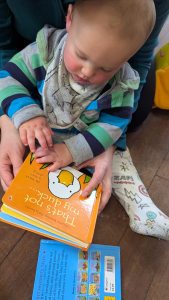
Before toddlers can identify letters, they’re learning how stories work.
They’re discovering that books have beginnings and endings, that pages turn left to right, and that pictures tell a story all on their own. They’re also starting to recognise sounds and patterns in speech — the first stepping stones towards reading.
So when you:
-
Describe what you see on your walk (“Look! A big red bus!”)
-
Sing Twinkle Twinkle Little Star for the 400th time
-
Let them choose that one book again (and again!)
You’re supporting early literacy — in the most natural, joyful way possible.
🧠 What’s happening in your toddler’s brain
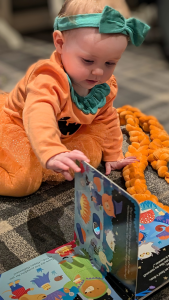
When you talk, read, and sing with your child, their brain lights up like a Christmas tree. They’re:
-
Building vocabulary with every new word they hear
-
Developing memory and attention span
-
Learning how stories and conversations flow
-
Strengthening comprehension skills
-
Connecting words to feelings and experiences
According to the National Literacy Trust,
early exposure to language and books has a lasting impact on reading ability and emotional development. In other words, those “little” moments are doing big things.
💬 How to help your toddler learn to read (without any pressure)
-
Read little and often – Short, daily bursts of shared reading are perfect. Keep books in easy reach — by the bed, in the pram, even next to the toy box.
-
Follow their lead – Let your toddler turn pages, skip bits, or talk about the pictures. That curiosity is the foundation of reading.
-
Talk about everything – Narrate your day, describe colours, count steps. Everyday conversation is powerful language learning.
-
Sing and rhyme – Nursery rhymes and repetitive books help toddlers tune into sound patterns — an essential skill for reading later on.
-
Bring stories to life – Use props, silly voices, and sensory play (something we love at Adventure Babies
💕 You’re already doing it — and doing it brilliantly
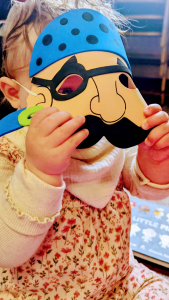
The goal isn’t to make your toddler read words yet. It’s to help them fall in love with stories and language. When reading feels fun, connection comes naturally, and learning follows.
If you’d like a little extra inspiration for playful, story-filled learning, check out BBC Tiny Happy People for fantastic ideas — or come join us at Adventure Babies, where we bring books to life with songs, sensory play, and plenty of giggles.
Because you’re not just reading a story —
you’re raising a reader. 📚✨