
Toddler Tantrums: Why They Happen and How Play Can Help
If you’ve got a one-year-old, chances are you’ve already met their fiery little side. Toddler tantrums can seem to appear overnight—one day your baby is smiling sweetly, the next they’re face down on the floor because you dared to peel their banana the wrong way. If you’re in the middle of this whirlwind stage, you’re not alone, and more importantly—it’s totally normal.

Why Do Toddler Tantrums Happen?
By around a year old, little ones are discovering their independence. They know what they want (or don’t want) but don’t yet have the words or emotional regulation skills to express it. Cue frustration! Add in big feelings, tiredness, hunger, or overstimulation and you’ve got the perfect recipe for a meltdown.
In fact, tantrums are actually a sign of healthy development. They show that your toddler is learning boundaries, emotions, and cause-and-effect. While it may feel chaotic, these outbursts are a step towards self-control and communication.
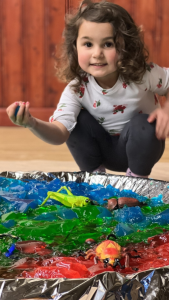
How Sensory Play Can Help with Toddler Tantrums
Play is one of the best ways to help your toddler navigate these tricky new feelings. Sensory activities in particular can give them the tools to calm down, explore emotions safely, and build vital brain connections.
Here’s why:
-
Regulation through play: Messy play, water play, and movement-based activities give toddlers safe outlets for frustration.
-
Language development: Storytelling and books provide the words they’ll eventually use instead of screams.
-
Social learning: Group play helps toddlers see how others manage feelings and interactions.
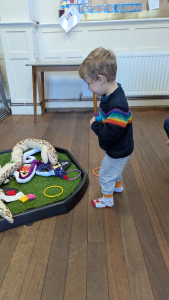
At Adventure Babies, our sensory storytelling classes are designed with this stage in mind. We combine stories, music, textures, lights, and movement to create experiences that not only captivate but also support emotional growth. Many parents tell us their toddlers leave calmer, happier, and ready for a good nap (and let’s face it—that’s the dream!).
A Few Quick Tips for Managing Toddler Tantrums at Home
-
Stay calm (ish!): Harder said than done, but your calmness helps your toddler feel safe.
-
Offer choices: Even tiny choices (“red scarf or blue scarf?”) help toddlers feel in control.
-
Routine & play: Predictability and regular play opportunities reduce frustration.
-
Name the feeling: Simple phrases like “You’re angry because…” help them learn to label emotions.
Come Play With Us
If you’d love more ways to handle big feelings while having fun, come and join an Adventure Babies class near you. Our magical sensory storytelling sessions give your toddler a space to explore, express, and grow—all while building a love of books.
💡 For more parenting reassurance on toddler emotions, check out NHS advice on child development