Benefits of Sensory Play for Babies: Why It’s Essential for Brain Development
Parents hear it all the time: sensory play is good for babies.
But if you’re in the whirlwind of the first year, you probably want more than that. You want to know the real benefits of sensory play for babies — why it matters for brain development, and how it shapes learning, movement, and emotional growth from 0–12 months.
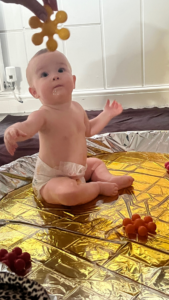
How Sensory Play Supports Baby Brain Development
The first year of life is a unique period of rapid brain growth. Neural connections — called synapses — form at an astonishing rate. Repetition, emotional safety, and multi-sensory experiences are the building blocks of early learning.
Research from the Harvard University Center on the Developing Child shows that early experiences literally shape the architecture of a baby’s brain. Connections that are stimulated repeatedly strengthen; those that aren’t gradually fade.
That’s why the benefits of sensory play for babies are so significant. Every texture touched, every sound heard, every scent explored contributes to neural wiring that supports lifelong skills.
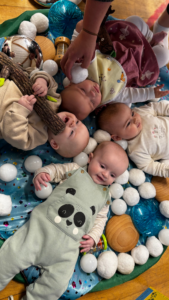
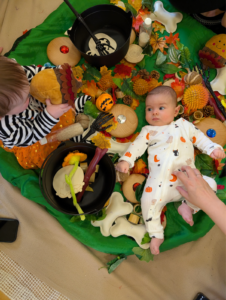
What Happens in the Brain During Sensory Play
When babies engage in sensory play, multiple brain areas activate simultaneously:
-
Touch strengthens sensory processing
-
Movement develops motor pathways
-
Sound supports early language and attention
-
Smell connects directly to memory and emotion
Layering senses together during play builds stronger, more flexible neural networks. This is the science behind the benefits of sensory play for babies — it’s not just fun, it’s foundational brain development.

The Multi-Sensory Advantage
Babies do not learn one sense at a time. Multi-sensory experiences enhance development across multiple areas:
-
Fine and gross motor skills
-
Early communication and language
-
Emotional regulation
-
Curiosity, confidence, and problem-solving
Daily sensory play, whether it’s water, textures, smells, or rhythmic sounds, strengthens integrated brain pathways in the first year.
Emotional Safety Amplifies Benefits
Sensory play is most effective when babies feel safe and supported. Calm, responsive interaction during play reduces stress hormones and allows learning chemicals like dopamine to strengthen memory and attention.
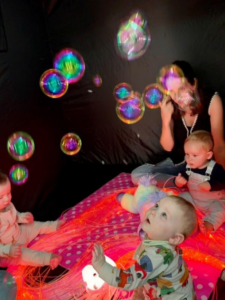
At Adventure Babies, this emotional safety is built into every class. Sharing stories, layering sensory experiences, and responding to baby cues maximises the benefits of sensory play for babies.
Sensory Play Ideas for Babies at Home
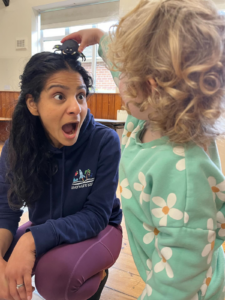
You don’t need expensive toys to support brain development:
-
Safe water play
-
Outdoor exploration (grass, leaves, fresh air)
-
Textured fabrics or natural objects
-
Taste-safe messy play
-
Narrating sensory experiences (“This feels soft. That smells sweet.”)
Repetition and variety together maximise neural connections — the core of the benefits of sensory play for babies.
How Adventure Babies Classes Help
At Adventure Babies, sensory storytelling combines movement, textures, sounds, and smells in a calm, nurturing environment.
Our classes are designed to layer multi-sensory experiences, building integrated brain networks while also supporting emotional security and bonding.
Explore your nearest class and discover how our immersive sensory play experiences turn every story into a full-body, brain-building adventure.
Frequently Asked Questions About the Benefits of Sensory Play for Babies
What are the benefits of sensory play for babies?
Sensory play strengthens neural connections, improves motor skills, supports early communication, and helps babies regulate emotions.
How does sensory play support baby brain development?
Multi-sensory experiences activate several brain regions at once, forming integrated pathways. Repetition and safe exploration make these pathways stronger.
At what age should sensory play start?
From birth. Newborns benefit from touch, voice, and smell. From 3–12 months, sensory play can include textures, water play, taste-safe messy play, and immersive storytelling.
How often should babies do sensory play?
Daily, naturally. Even short, repeated sensory experiences build strong neural pathways.
Is sensory play just messy play?
No. While messy play can be part of it, sensory play is any meaningful input to one or more senses — touch, smell, sight, sound, and movement.
How do Adventure Babies classes support sensory development?
Adventure Babies classes layer sound, movement, texture, and scent in a safe, nurturing environment. This supports multi-sensory brain development, emotional security, and bonding.