
The Clingy Phase: What Separation Anxiety Is Really Telling You
One minute, your baby happily watches you cross the room. The next, putting them down feels like announcing that you’re leaving the country.
You only wanted to pick up your toast.
If you’re wondering how to support separation anxiety in babies, start with this: you haven’t done anything wrong. Your baby is becoming more aware of the people who help them feel safe. Being apart can suddenly feel like a very big deal.
Understanding this phase can ease the worry. Getting to the loo without an audience might take a little longer.
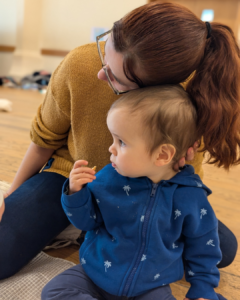
Why has my baby suddenly become so clingy?
Separation anxiety describes the distress babies can feel when a familiar caregiver leaves. Signs might include reaching arms, tears at nursery drop-off or loud protests when you disappear into the kitchen.
According to the NHS guidance on separation anxiety, this phase commonly happens between six months and three years. Each child experiences it differently.
Perhaps your baby loved cuddles with Grandma last week but now wants you back straight away. That change can feel awkward, especially when everyone remembers how happily the last visit went.
Their feelings have shifted. Grandma hasn’t necessarily done anything wrong.
What separation anxiety is really telling you
Your baby’s understanding of the world is growing. During infancy, they begin to grasp that people and things still exist when they cannot see them. We call this object permanence.
Here’s the tricky part: knowing you still exist does not mean knowing when you will return.
“I’ll only be two minutes” means something to you. For a baby, time makes far less sense.
The American Academy of Pediatrics explains how this growing awareness can make separation upsetting. Familiar people matter deeply, but babies cannot yet predict reunions as we can.
Those reaching arms have a message: “Being close to you helps me feel safe.”
Have I made my baby too dependent on me?
A difficult goodbye can quickly trigger doubts. Have you held them too much? Should you have let other people look after them sooner?
Separation anxiety is a normal part of development. Comforting your baby does not mean you have caused the problem.
Equally, the number of tears does not measure the strength of your bond. Some babies protest loudly, while others settle more easily with another trusted adult.
Neither response gives you a parenting score.
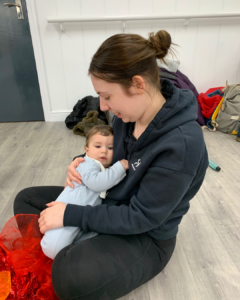
How to support separation anxiety in babies
Start with small separations
Choose someone your baby knows and trusts. Spend time together before trying a short separation while that person stays with them.
Begin with manageable moments, then build up gradually. A familiar face and setting can help make the experience feel less daunting.
Practising does not mean leaving your baby to cope alone. Another caring adult can offer cuddles, reassurance and company.
Keep goodbyes warm and predictable
A cuddle, a short phrase and a wave can give your goodbye a familiar shape.
Try saying: “I’m going now. Daddy is here with you, and I’ll come back.”
The American Academy of Pediatrics recommends a brief, consistent goodbye routine. Keep your attention on your baby during the handover, then let their caregiver offer comfort.
Tears may still happen. Predictability can help, but no routine guarantees a happy wave every time.
Think about the timing
Hunger, tiredness and illness can make separation harder. Where possible, practise after a feed and some rest.
Real life rarely follows a perfect timetable, though. Nursery starts when it starts, and work meetings don’t check the nap schedule.
Treat timing as something helpful to consider, rather than another rule to get right.
Share the little things that help
Tell your baby’s caregiver about the book they recognise, the song they enjoy or how they like a cuddle.
Agree how you will hear about their settling, too. Knowing that your baby accepted comfort or became interested in a toy can feel more reassuring than wondering what happened next.
If distress continues, discuss the plan together. Every baby deserves a response that takes their needs seriously.
Can peekaboo help with separation anxiety?
Peekaboo offers a playful experience of disappearing and returning. Hide your face behind your hands, then reappear with a smile.
Pause to see whether your baby wants another turn. Their reaction matters more than how many times you play.
The NHS suggests peekaboo as one way to help build confidence. Think of it as a chance to connect, rather than a lesson your baby must master.
Talking when you briefly move out of sight may offer reassurance, too. “I’m just here getting your cardigan” lets them hear your familiar voice.
What if my baby clings to me at a baby class?
Perhaps you pictured your baby exploring every sensory tray. Instead, they want to watch everything from your lap.
Watching counts as joining in.
At Adventure Babies sensory storytelling classes, stories, puppets and sensory play give you things to enjoy together. A puppet might catch your baby’s eye long before they feel ready to reach for it.
Try noticing their interest: “You’re watching that puppet!”
There’s no need to make moving away from you the goal. Let them explore with your support and return for reassurance when they need it.
Our classes also give you something valuable: company. Sometimes, chatting to another parent who understands the clingy phase can make the whole morning feel easier.
You can love being needed and still need a break
Feeling touched out does not cancel out your love for your baby.
Some days, you might treasure every cuddle. On others, you would quite like to eat lunch with both hands.
Both feelings belong in normal family life.
Leaving your baby with a trusted caregiver does not mean you are letting them down. Support matters for you as well as for them.
When should I ask for help?
Speak to your health visitor if your baby feels very distressed, stays upset for a long time after you leave or struggles with separation for more than a few weeks.
Ask sooner if you feel worried or find it hard to cope. You don’t need to wait until things feel unmanageable.
A health visitor can help you consider what your baby needs and plan the next steps together.
Small steps towards feeling safe
Learning how to support separation anxiety in babies takes patience. Progress might look like accepting a cuddle from another adult or exploring a little further from your lap.
For now, being the person they return to matters too.
Fancy an outing you can enjoy together? Find your nearest Adventure Babies class for stories, sensory play and a welcoming community for you both.