How Babies Learn to Listen Before They Talk
When parents think about communication milestones, the focus is usually on first words. We eagerly wait for “mama”, “dada”, or that magical moment when our baby says something recognisable.
But long before babies say their first word, something extraordinary is happening in their brains.
Babies are learning how to listen.
Understanding how babies learn to listen is an important part of understanding speech and language development. Listening is not just hearing sounds. It is a complex developmental process where babies begin to recognise patterns in speech, locate where sounds are coming from, and understand which noises matter. You can read more about how your baby’s brain works here.
Experts sometimes refer to this early process as “sound mapping”, and it forms the foundation for speech, language, and communication later on.
What Is Sound Mapping?
To understand how babies learn to listen, it helps to understand what happens in their brain when they hear sounds.
From the moment they are born, babies begin building a mental “map” of the sounds around them.
Their brains are constantly asking questions such as:
-
Where did that sound come from?
-
Was that a voice or a background noise?
-
Is that sound familiar?
-
Does it happen again?
Over time, babies begin to organise the sounds they hear, recognising patterns and meaning.
For example, your baby might notice:
-
your voice sounds different from everyone else’s
-
certain songs repeat the same rhythm
-
the same word is used again and again during a story
These patterns slowly become the building blocks of language and help explain how babies learn to listen before they ever begin to talk.
Why Listening Skills Develop Before Speech
One of the key reasons understanding how babies learn to listen matters is because listening always develops before speech.
Speech may feel like the big milestone, but listening comes first for a reason.
Before babies can produce sounds themselves, they must learn how speech works. Their brains are analysing things like:
-
tone and pitch
-
rhythm and timing
-
how words begin and end
-
which sounds belong together
This is why babies often spend months babbling, watching faces, and listening closely before they begin to speak.
Research into early language development shows that babies are already recognising speech patterns in the first year of life. According to the National Institute on Deafness and Other Communication Disorders, babies begin learning the sounds of their language from birth and use this knowledge to build early communication skills.
Parents can read more about hearing and communication development here:
https://www.nidcd.nih.gov/health/speech-and-language
How Babies Learn to Recognise Important Sounds
Another important stage in how babies learn to listen is learning which sounds matter most.
In a busy world full of noise, babies must gradually learn to filter sounds. Over time they begin to prioritise:
-
human voices over background noise
-
familiar voices over unfamiliar ones
-
speech over environmental sounds
This is why your baby may suddenly turn their head when they hear your voice across the room.
Their brain is learning that voices carry meaning, which is a crucial part of learning how to listen and communicate.
Why Repetition Helps Babies Learn to Listen
If you’ve ever noticed that babies love hearing the same song or story again and again, there is a good reason for it.
Repetition plays a powerful role in how babies learn to listen.
Each time babies hear a familiar song or story, their brain strengthens the pathways that help them:
-
recognise repeated sounds
-
predict what comes next
-
identify familiar words
-
remember sound patterns
These repeated experiences help babies organise language in their brains and prepare them for speech.
This is one reason that books, songs, and storytelling play such an important role in early development.
Watching Faces Helps Babies Understand Sounds
Listening is closely connected with watching people speak.
As babies learn how to listen, they also study faces closely. They observe:
-
mouth movements
-
facial expressions
-
tone of voice
These clues help babies connect sounds with meaning and emotion.
Expressive storytelling, singing, and animated reading can therefore be particularly powerful experiences for babies who are learning to listen and communicate.
Supporting How Your Baby Learns to Listen
The good news is that supporting how babies learn to listen does not require complicated activities.
Simple, everyday interactions make a huge difference.
You can support your baby’s listening development by:
-
talking to them regularly
-
singing songs and nursery rhymes
-
repeating favourite stories
-
using expressive voices and facial expressions
These moments help babies practise recognising the sound patterns and rhythms that eventually become language.
How Adventure Babies Classes Support Early Listening Skills
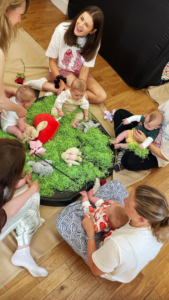
At Adventure Babies, we bring brilliant books to life through gentle sensory storytelling experiences designed especially for babies.
These classes are designed to support how babies learn to listen through:
-
expressive storytelling
-
rhythmic songs and rhymes
-
repeated sound patterns
-
varied tones of voice
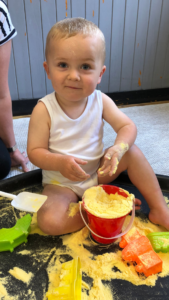
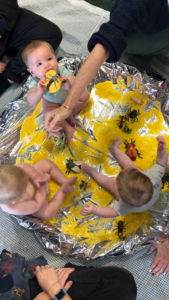
At the same time, babies explore sensory experiences, movement, and interaction, which helps their brains connect sounds with the world around them.
These magical sessions support communication development while helping babies fall in love with books and stories from the very beginning.
Adventure Babies classes are also a wonderful opportunity for parents to meet others with babies of a similar age and build supportive friendships.
Find your nearest Adventure Babies class and come and experience the magic of sensory storytelling together.
Frequently Asked Questions
When do babies start learning to listen?
Babies begin learning how to listen before they are even born. During pregnancy they can hear muffled voices and rhythms. After birth, their listening skills rapidly develop as they begin recognising voices, patterns, and speech sounds.
How do babies learn to listen?
Babies learn to listen by hearing repeated sounds, voices, and patterns of speech. Talking, singing, and reading to your baby helps their brain recognise these patterns and organise language.
Does reading help babies learn to listen?
Yes. Reading introduces babies to rhythm, repetition, and new sounds, which helps strengthen listening pathways in the brain.
How can parents support how babies learn to listen?
Parents can support listening development by:
-
talking frequently to their baby
-
reading stories together
-
repeating songs and rhymes
-
using expressive voices and facial expressions
These simple interactions help babies recognise patterns in language.
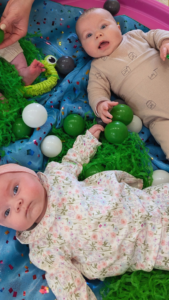
Yes. Baby classes that combine songs, storytelling, and sensory experiences can support how babies learn to listen by exposing them to varied sounds and communication.
Adventure Babies classes are designed to nurture listening skills while creating magical shared experiences for parents and babies.
Find a class near you and start your baby’s storytelling adventure today. ✨