The Benefits of Reading to Your Baby: How Stories Build Empathy from Day One
You probably already know that one of the biggest benefits of reading to your baby is boosting their language skills, sparking imagination, and giving you some all-important snuggle time. But did you know that sharing books can also help your little one learn one of the most valuable life skills of all—empathy?
It sounds a bit wild, right? Your baby can’t even say “dog” yet, let alone put themselves in someone else’s shoes. But empathy starts developing much earlier than most of us realise, and story time is the perfect place to give it a gentle nudge.
The Social Benefits of Reading to Your Baby
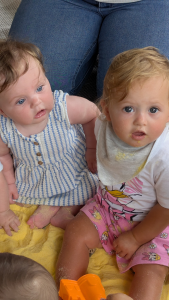
From the very beginning, babies are wired to tune into emotions. They notice your tone of voice, your facial expressions, and even how you hold your body. Ever noticed how your baby frowns if another baby cries? That’s an early sign of empathy—your little one is picking up on someone else’s feelings.
Books add an extra layer to this. When you share a story, you’re introducing characters with different experiences. Whether it’s a bear who’s lost his hat, a rabbit who just wants a hug, or a mischievous toddler refusing bedtime—your baby gets to see and hear how others feel. Over time, these small moments add up to a deeper understanding of emotions. That’s one of the most powerful benefits of reading to your baby: stories help them connect with the feelings of others, long before they can talk about it.
If you’d like to dive deeper into the research behind it, BookTrust has some brilliant resources on why sharing stories with little ones is so powerful.
How to Make the Most of Reading Time
So how do you squeeze every drop of goodness out of your story sessions? Here are some easy, fun tweaks:
1. Use All the Drama
Put on voices, make your bear sound grumpy, let your rabbit sob dramatically. Babies love the contrast and they start linking tone with emotion.
2. Point Out Feelings
Pause to say, “Look, the dog looks sad because he lost his ball.” Even if your baby can’t respond yet, you’re modelling how to name and recognise feelings.
3. Match It in Real Life
If the story shows a character being kind—like sharing food—link it back. “Just like when Daddy shared his toast with you this morning!” Real-life connections make empathy stick.
4. Let Them Take the Lead
Older babies and toddlers love turning pages, pointing, and even making sounds for characters. When they do, respond with warmth and encouragement. That back-and-forth exchange builds both social skills and confidence.
5. Keep It Consistent
Even five minutes a day adds up. Your baby gets used to the rhythm of stories, the safe space of your lap, and the emotional ups and downs of different characters.
The Adventure Babies Connection
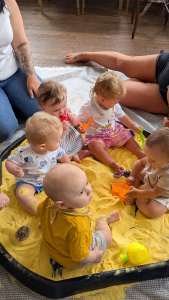
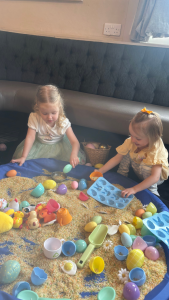
At Adventure Babies, we see the benefits of reading to your baby in action every week. Babies light up at the big emotions in our stories—giggling when the puppets act silly, gasping when the lights change, reaching out to comfort a soft toy that looks “sad.” It’s a safe, playful way to explore big feelings, while also nurturing a lifelong love of books.
If you’d love to keep the storytime magic flowing at home, don’t forget we also have our own Adventure Babies books