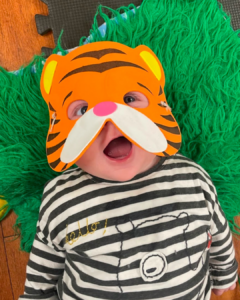
That Look of Recognition: When Babies Begin to Know Familiar Faces
You have changed the nappies, walked the hallway and delivered a frankly impressive number of feeds. Then, one day, your baby looks at you and something feels different. Their eyes linger. A smile arrives. Suddenly, you feel like more than the person running the milk service.
If you have wondered when do babies recognise familiar faces, the answer starts earlier than that big, unmistakable grin. Recognition develops gradually through the first year. Your baby begins learning about familiar people before they can show you clearly what they know.
And yes, it makes complete sense to long for that little “Oh, it’s YOU” moment.

When do babies recognise familiar faces?
Babies can show signs of recognising their mother’s face within the first days of life in research settings. However, early recognition looks very different from an older baby lighting up when a parent enters the room. During the first few months, growing vision and repeated interactions help babies get to know familiar faces.
By around three to six months, many parents notice clearer signs of recognition. A baby might smile, become animated or watch someone they know closely. Later in the first year, familiar people can receive an enthusiastic greeting—or a determined demand for a cuddle.
These are broad patterns, rather than deadlines. Researchers also use different tests, so “recognition” does not mean exactly the same thing in every study.
Your baby knows you through more than your face
Imagine trying to recognise someone through a slightly blurry window. Hearing their voice would help, wouldn’t it?
For a young baby, familiarity involves more than a clear picture of your eyes and nose. Your voice, smell, touch and the way you hold them all contribute to their experience of you. The NHS guide to building a close relationship with your baby explains that newborns already recognise familiar sounds and smells.
One study found that hearing their mother speak helped young infants recognise her face. That offers a lovely reason to keep chatting during everyday care. Your running commentary about the missing sock might feel unremarkable, but it gives your baby a familiar voice alongside a familiar face.
Dads, grandparents and other regular carers have their own relationships to build. Through repeated, responsive care, each person gives your baby opportunities to get to know them.

A newborn’s view is closer than you think
In the early days, your baby does not need you to perform across the room. According to NHS information about early vision, newborns can focus on your face at around 20–25cm away.
That is roughly the distance you might naturally use when holding them close. Ordinary cuddles give them opportunities to study you without adding another activity to your day.
Early face recognition also differs from the way adults recognise people. Research suggests newborns use the outer outline of the head and hairline as part of their picture of a familiar face. Their understanding becomes more sophisticated with experience.
So, those solemn little stares involve more learning than they let on. Your baby has plenty to investigate, even when your expression says, “How can it possibly be morning already?”
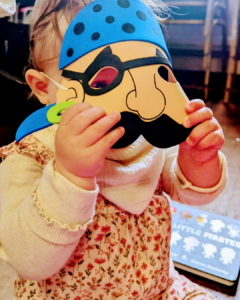
Recognition does not always arrive with a smile
A huge grin makes recognition easy to spot. Earlier clues can feel much quieter.
Perhaps your baby pauses when you speak, studies your face during a feed or becomes more animated when you approach. Sometimes, they settle into a familiar interaction without putting on a show.
None of these behaviours proves face recognition on its own. Hunger, tiredness and your baby’s temperament also influence their response. Together, though, everyday interactions can help you notice how their interest in familiar people changes.
Try to resist turning every greeting into an assessment. Babies have days when a ceiling light receives more attention than the adult who has kept them comfortable since 4am. Your relationship does not depend on winning that particular contest.

Looking away can mean “I need a little pause”
You lean in, smile and chat. Your baby promptly turns towards the curtains.
Before you take that personally, remember that face-to-face interaction can feel intense. Babies sometimes look away to take a break, even when they enjoy being with you. The NHS’s Ready to Relate activities encourage parents to wait patiently until their baby feels ready to engage again.
Give them a moment instead of following their gaze with your face. Once they turn back, you can smile or speak gently.
A pause in eye contact does not mean a pause in your relationship.
Why familiar visitors can suddenly get the cold shoulder
Around the second half of the first year, some babies become more cautious with people. A grandparent who previously received happy cuddles might suddenly face a firmly buried head.
That change can feel awkward, especially when somebody has travelled miles for a cuddle. However, recognising someone and feeling ready for them to hold you are different things.
The NHS explains separation anxiety and fear of strangers as common parts of development, often beginning from around six months. Growing awareness can make babies seek the reassurance of their regular carers.
Let visitors chat nearby while your baby stays with you. With time, they may choose to smile, reach out or join in. Nobody needs to earn a cuddle by insisting on one.

Small ways to connect, without adding homework
Choose a moment when your baby seems comfortable and alert. During a nappy change, bring your face into view and talk about what you are doing. After a little sound or smile, pause and give them room to respond.
Sharing a book offers another easy opportunity. Your baby can hear your voice, glance at your expression and enjoy being close while you explore the pages. Finishing the story matters far less than noticing what interests them.
As they grow, try a gentle game of peekaboo. Cover your own face with your hands, reveal it and watch their response. Keep the pace comfortable and stop when they need a break.
Everyday connection counts, including on the days when nobody manages an organised activity. The NHS’s advice on bonding with your baby highlights the value of how you care for them and the experiences you share.
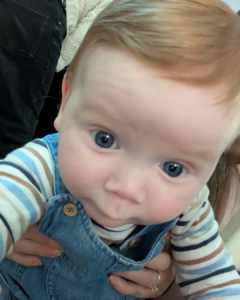
Familiar faces, new adventures and a place for you
At Adventure Babies sensory storytelling classes, stories, puppets and sensory play create opportunities to explore together. Your baby can watch your reactions, hear your voice and enjoy new experiences with you nearby.
Returning to a class also offers chances to encounter the same leader and families. A baby who prefers watching can take things at their own pace, while you enjoy some familiar faces too.
Because parents need recognition as well. Sometimes, seeing someone who remembers your name—and understands the effort behind getting out of the house—makes a real difference.
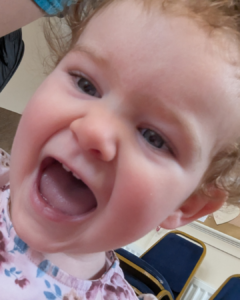
That “you know me” moment grows from ordinary days
When do babies recognise familiar faces? Early signs can begin in the newborn days, while clearer responses develop across the following months. Your baby’s recognition grows through the time you spend together, rather than one perfect activity.
If you have concerns about their vision, responses to people or development, speak to your health visitor or GP. You can ask for support without waiting for a particular milestone.
Meanwhile, remember that the big grin does not mark the beginning of your relationship. Long before that moment, you have been getting to know each other through feeds, cuddles, voices and everyday care.
Your baby’s first unmistakable look of recognition is a lovely milestone. The relationship behind it has been growing all along.
Find your local Adventure Babies class and make space for stories, connection and a few familiar faces of your own.
Share this with a parent waiting for that first “you know me” look—or a grandparent navigating a sudden cuddle boycott.