
Sensory Play for Babies: How Your Baby Learns Through Play
If you’ve ever watched your baby completely mesmerised by something as simple as light dancing on the wall… or the way their fingers open and close around a new texture, you’ve already seen it in action.
That quiet fascination.
That deep concentration.
That’s learning.
In those first two years, your baby isn’t learning through being taught—they’re learning through what they feel, see, hear and experience.
Sensory play for babies isn’t something extra to add in—it’s the way your baby understands the world.
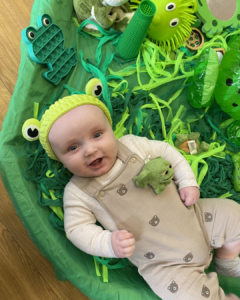
Why Sensory Play for Babies Matters More Than You Think
From the outside, sensory play can look almost too simple to matter. A bit of water. A soft fabric. A flicker of light.
But inside your baby’s brain, something incredible is happening.
Every new sensation helps build tiny connections in the brain. Over time, those connections form the foundations for movement, communication, confidence, and emotional security.
Research from the Harvard University Center on the Developing Child shows that early experiences quite literally shape how a baby’s brain is built.
So those small, everyday sensory moments?
They’re doing far more than you think.
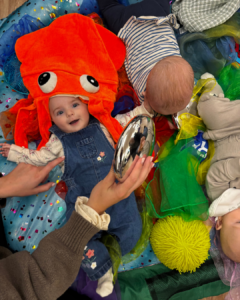
Why Babies Are Drawn to Sensory Experiences
Have you ever spent money on a toy, only for your baby to be more interested in the packaging?
It’s not random—it’s sensory.
Babies are naturally wired to seek out new experiences. A crinkly sound, a different texture, a shift in light—these are the things their brain is designed to notice.
That intense focus you see when they explore something new is their brain building connections in real time.
And when they repeat the same activity again and again?
They’re strengthening those connections, making sense of the world around them.
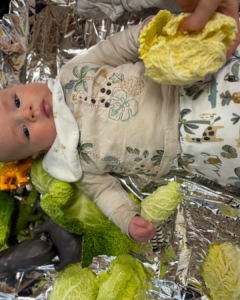
How Sensory Play Supports Baby Brain Development
Real life doesn’t happen one sense at a time—and neither does your baby’s development.
When your baby watches bubbles float, reaches out, and feels them disappear, they’re learning how different senses work together.
This is what builds:
- coordination
- focus and attention
- early communication skills
It’s these layered sensory experiences that create strong foundations for everything that follows.
If you’re looking for simple ways to support this at home, explore our guide to baby development through play and how small changes can make a big difference.
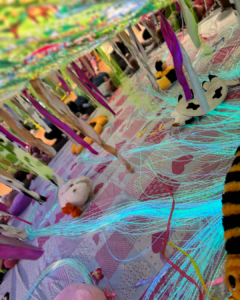
The Role of New Experiences in Sensory Play
You’ll probably notice how your baby lights up when something is new.
A new texture.
A new environment.
A new sound.
That’s because new experiences encourage the brain to work harder—in the best possible way. They build stronger connections and spark curiosity.
But there’s a balance. Too much stimulation can feel overwhelming.
What babies really need is a gentle introduction to new experiences—somewhere they feel safe, supported, and not overloaded.
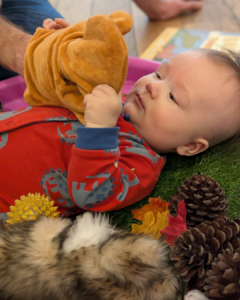
Sensory Play and Your Baby’s Emotional Development
One of the most powerful (and often overlooked) benefits of sensory play is emotional regulation.
Before babies can talk, they experience everything through their body.
The rhythm of movement, the familiarity of sound, the comfort of touch—these all help your baby feel safe.
Guidance from the NHS highlights how nurturing, responsive environments support emotional development and secure attachment.
So when your baby seems calmer after certain activities, that’s not luck.
That’s their nervous system learning how to settle.
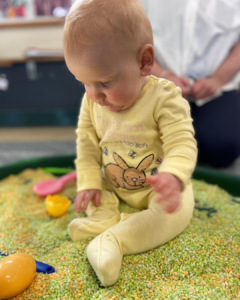
How Sensory Play Builds Curiosity in Babies
Curiosity doesn’t suddenly appear later on—it starts here.
Every time your baby reaches out, leans in, or explores something new, they’re building a quiet confidence:
This is interesting. I can try this. It’s safe to explore.
These early sensory experiences shape how your child approaches learning, challenges, and the world around them as they grow.
It’s More Than “Messy Play”
There’s a lot of talk about messy play—and yes, it can be brilliant.
But sensory play for babies is about so much more than that.
It’s not about throwing activities together and hoping for the best. It’s about creating an environment where your baby can explore in a way that feels engaging—but not overwhelming.
That balance is where the real magic happens.
How Adventure Babies Supports Sensory Development
This is exactly why Adventure Babies classes are designed the way they are.
Each session is built around carefully planned sensory experiences, combining storytelling, movement, textures, sounds and visuals in a way that supports your baby’s development without overload.
It’s calm.
It’s immersive.
And it gives your baby the space to explore safely.
If you’d like to experience it for yourself:
- Find a baby sensory class near you
- Book your next baby development course
- Discover more about how our classes support your baby’s development
Sensory Play for Babies: The Takeaway Every Parent Needs
You don’t need to do everything.
You don’t need endless activities or a perfectly set-up home.
But those small sensory moments you’re already giving your baby?
They matter more than you think.
Because in these early years, your baby isn’t learning by being taught.
They’re learning through experience.
Through connection.
Through you.
Sensory play for babies isn’t optional—it’s how they learn everything.