Baby Hand-Eye Coordination: Why Those Tiny Movements Matter More Than You Think
Happy New Year! ✨
A new year can feel full of pressure — especially when you’re parenting a baby and wondering whether you’re “doing enough”. But here’s the lovely truth: your baby is developing constantly, often through the smallest, quietest moments.
One area of development we see blossoming beautifully in our Adventure Babies classes — and one we haven’t talked about for a little while — is baby hand-eye coordination. Those little reaches, grabs and wobbly attempts are doing far more than just looking cute.
What is hand-eye coordination in babies?
Baby hand-eye coordination is the ability to process what the eyes see and guide the hands to respond accurately. It’s a key fine motor skill that begins developing from birth and strengthens rapidly during the first year.
In babies aged 0–12 months, hand-eye coordination includes:
-
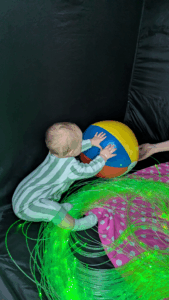
Reaching for objects they can see
-
Bringing hands together or towards the mouth
-
Swiping, grabbing and holding toys
-
Transferring objects from one hand to the other
-
Exploring textures with fingers and palms
These movements lay the foundations for later skills like feeding themselves, turning pages, drawing, writing and getting dressed independently.
When do babies develop hand-eye coordination?
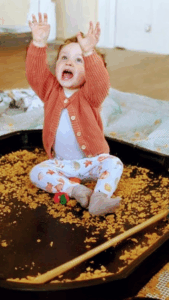
Hand-eye coordination develops gradually and looks different for every baby. In early months, it might be a slow, thoughtful reach. Later, it becomes more confident — grabbing, banging, squeezing and experimenting.
According to the NHS, babies develop fine motor control and coordination through repeated play and interaction with people and objects around them, rather than structured “training” or formal activities.
You can read more about early development milestones on the NHS website here:
👉 https://www.nhs.uk/conditions/baby/babys-development/
(This is a high-authority, non-commercial resource many parents already trust.)
What hand-eye coordination looks like in Adventure Babies classes
In our classes, babies are constantly practising hand-eye coordination — often without realising it.
We see:
-
Tiny hands reaching for floating bubbles
-
Focused concentration as babies grab sensory props during stories
-
Fingers stroking textured pages and fabrics
-
Babies transferring objects between hands while watching them closely
Because everything is wrapped in immersive storytelling and sensory play, babies are motivated to move, reach and explore. They’re not “performing” — they’re following their natural curiosity.
And because they’re doing it from the safety of your lap or beside you, confidence grows too.
Why storytelling is so powerful for baby hand-eye coordination
Storytelling at Adventure Babies isn’t passive. It’s visual, tactile and interactive.
When babies:
-
Watch a story unfold
-
Reach out to touch props
-
Explore textures linked to what they’re seeing
Their brains are making important connections between sight, movement and meaning. This strengthens hand-eye coordination while also supporting attention, early communication and a love of books.
It’s learning — but it feels like magic.
How to support hand-eye coordination at home (without pressure)
If you’ve ever wondered “Should I be doing more?” — here’s your reassurance.
Simple everyday moments are more than enough:
-
Letting your baby explore books freely
-
Offering safe sensory objects with different textures
-
Giving them time to reach, grab and investigate
You don’t need expensive toys or complicated activities. Repetition, patience and play are what matter most.
Join us this year 💛
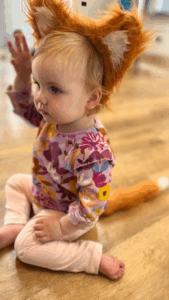
As we step into a new year, we’d love to welcome you and your baby to Adventure Babies. Our classes are carefully designed to support baby hand-eye coordination, fine motor development and early learning — all through magical storytelling and sensory experiences you can share together.
Whether your baby is confidently grabbing everything in sight or still quietly watching and learning, they are developing exactly as they should.
Here’s to a year of tiny reaches, big breakthroughs and stories that stay with you long after the class ends. ✨📖