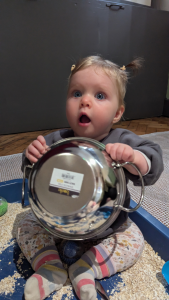
Baby Cognitive Development: How Your Little One Learns to Think
When you first look at your baby, it’s easy to get lost in the tiny fingers, soft cheeks, and sleepy smiles. But underneath all that cuteness, there’s something amazing happening — your baby’s brain is working overtime. Every sight, sound, cuddle, and babble is helping them make sense of the world. This process is called baby cognitive development — and it’s how your little one learns to think, problem-solve, and eventually start building the skills they’ll use for the rest of their life.

What is cognitive development?
In simple terms, it’s the way babies learn, remember, and understand. From recognising your face to learning that if they drop a toy it falls to the floor (and not into thin air — though they’ll check at least 300 times to be sure), it’s all part of cognitive growth.
According to the NHS early play and interaction are crucial in shaping how your baby learns to think and explore.
The stages of baby cognitive development
Here are some of the things you might notice in the first two years:
-
0–6 months: Your baby starts tracking moving objects with their eyes, recognising familiar voices, and showing curiosity by reaching out to grab things.
-
6–12 months: Peekaboo becomes the greatest game ever invented. Why? Because your baby is learning “object permanence” — the idea that things exist even when they can’t see them.
-
12–18 months: Problem-solving kicks in. They might try different ways to stack blocks, press buttons, or shake toys to see what happens. Cause-and-effect becomes endlessly fascinating.
-
18–24 months: Memory and imagination grow. Your toddler may copy your actions (hello, tiny shadow), point at things to share experiences, and even begin pretend play.
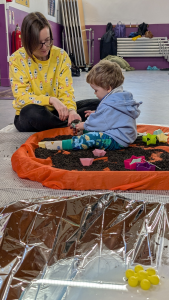
How we support cognitive development in class
At Adventure Babies, we build activities into our storytelling sessions that help babies strengthen their thinking skills — without them ever realising they’re “learning.” For example:
-
Hiding and revealing props in our stories encourages babies to develop memory and problem-solving.
-
Cause-and-effect play, like pressing buttons to make lights appear, helps little ones understand how their actions change the world.
-
Group parachute play introduces patterns, sequences, and shared attention (and is just as fun for the parents as the babies!).
We keep things fresh every week, so babies experience different ways of thinking, exploring, and making sense of their surroundings.
If you’d like to try something simple at home, our mini parachutes are a brilliant tool for baby cognitive development — they’re small, colourful, and perfect for games that build focus, memory, and social connection.

Why sensory play matters for baby cognitive development
Sensory play — the textures, sounds, lights, and movement we build into every Adventure Babies class — gives your baby’s brain the perfect workout. When they’re splashing in water, squishing paint, or watching bubbles float, they’re not just having fun. They’re learning about cause and effect, problem-solving, and how their actions shape the world.
The bigger picture
Baby cognitive development in the early years lays the foundation for everything else — social skills, problem-solving, even emotional resilience. It’s not about pushing babies to be “ahead,” it’s about giving them rich, fun experiences that spark curiosity and confidence.
At Adventure Babies, we love watching little ones discover the world, from their first mesmerised look at a light-up toy to the proud moment they share a book with a friend. Each week, we see their thinking skills grow right before our eyes.
So, if you’re wondering how to give your baby the best start, remember: the secret isn’t in a fancy gadget — it’s in play, connection, and plenty of opportunities to explore.
👉 Book a class today and come see baby brains in action!