From Crawling to Climbing: Supporting Physical Development at 1
That magical first birthday marks a huge turning point. Your little baby is fast becoming a toddler—suddenly crawling faster than you can catch them, trying to scale the sofa like it’s Everest, and maybe even taking those wobbly first steps. This stage of baby physical development is exciting, unpredictable, and (let’s be honest) a little exhausting!
What Does Physical Development at 1 Look Like?
By around a year old, babies are busy strengthening their muscles, balance, and coordination. Every child develops differently, but common milestones around this age include:
-
Pulling up to stand and cruising along furniture
-
Crawling confidently and exploring at speed
-
Beginning to walk with or without support
-
Developing hand–eye coordination through picking up, stacking, and throwing objects (sometimes at your head!)
-
Experimenting with climbing—chairs, stairs, and anything in sight
Remember, these are guidelines. Some little ones walk early, some prefer crawling for longer, and both are completely normal.
How to Support Baby Physical Development
You don’t need fancy equipment or a mini home gym—just everyday opportunities to move, explore, and play.
✨ Encourage crawling and climbing: Cushions, tunnels, and safe soft obstacles are brilliant for building strength and balance.
✨ Offer push toys or furniture cruising opportunities: These help develop confidence with standing and walking.
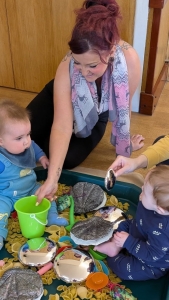
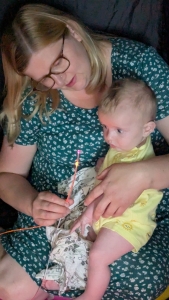
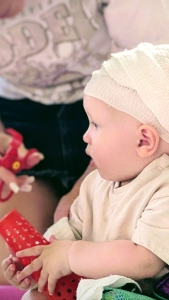
✨ Try sensory play: Activities like reaching for scarves, tapping drums, or chasing bubbles strengthen coordination while keeping things fun.
✨ Let them move freely: Give your toddler floor time in safe spaces to explore at their own pace.
How Adventure Babies Supports Physical Development
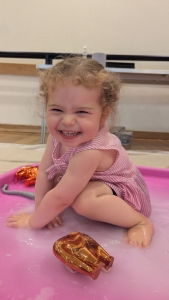
At Adventure Babies, we design our storytelling adventures with the whole child in mind. Our sensory set-ups encourage babies to crawl through tunnels, climb soft play mountains, reach for textures, and move their bodies in new ways—all while being immersed in magical stories.
Parents often tell us they’re amazed at how much their child’s confidence grows week by week. It’s not just about listening to stories—it’s about moving through them, and that movement is key to healthy development.
The Bigger Picture
Supporting baby physical development now lays the foundation for so much more: coordination, confidence, independence, and even brain growth. Movement and play literally help wire the brain for learning.
If you’d like more detail on milestones, the NHS guide to child development